Estimated reading time: 5 minutes
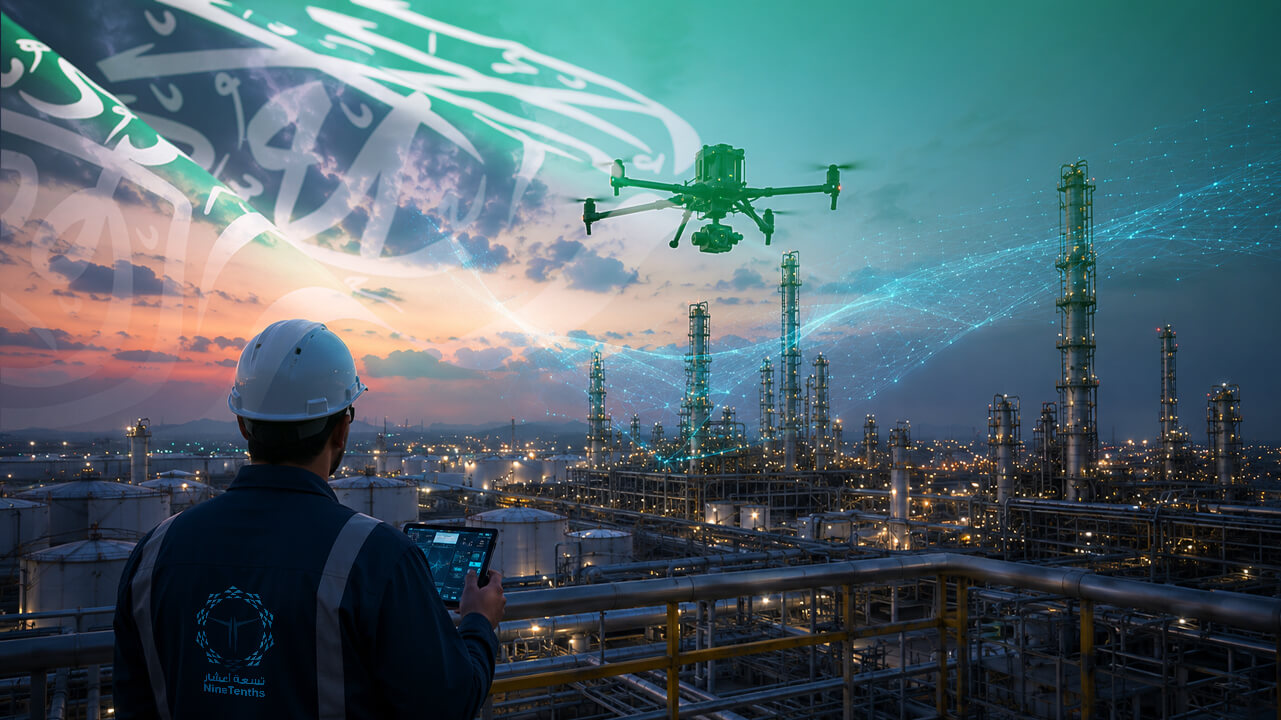
A very helpful piece of equipment for firefighters is a drone equipped with a thermal camera. In order to give critical situational awareness, this equipment can see through smoke and identify hotspots.
Drones and thermal cameras are useful to experts in a variety of fields, including industrial inspection and public safety. The DJI M300 RTK drone, equipped with an H20T camera, the DJI M30T, and the DJI Mavic 2 Enterprise Advanced, are important tools.
Thermal drones maximize return on investment, save lives, improve safety, increase productivity, and gather vital real-time insights. Because of this potential, DJI has made substantial investments in the field of thermal photography.
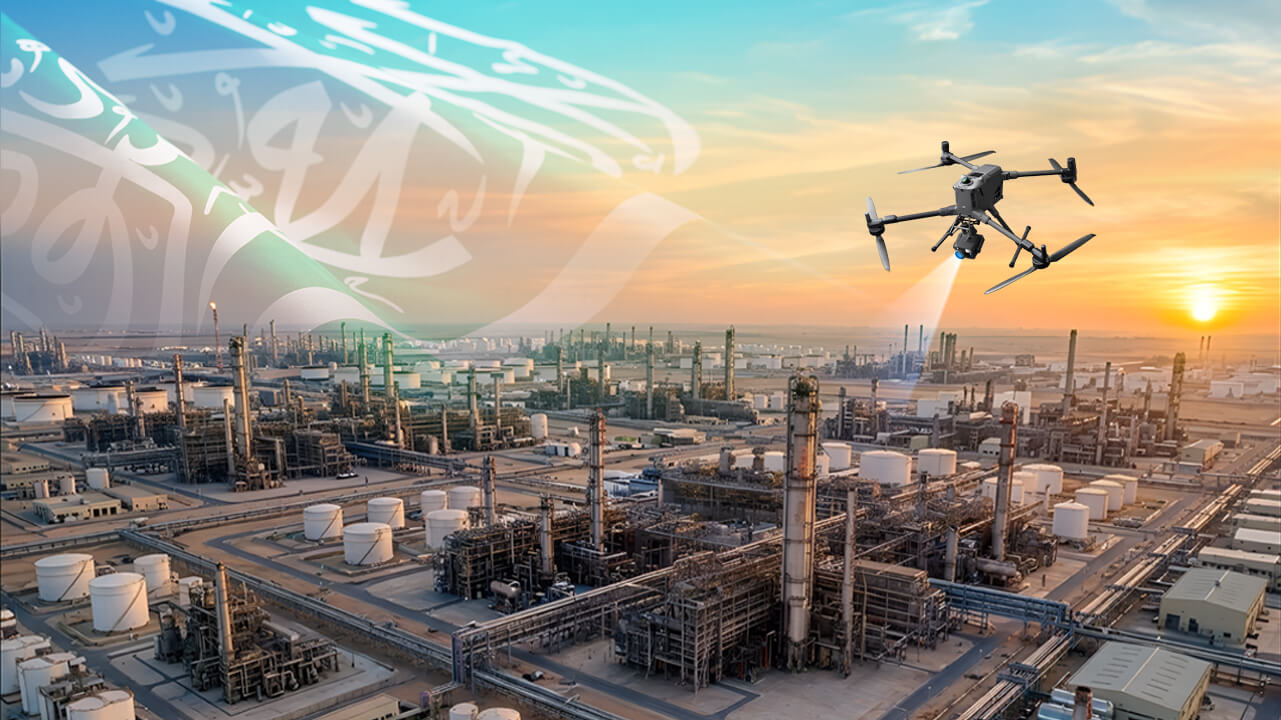
Inspection drones, however, are changing everything. Now, a company offering drone inspection services may fly an inspection drone up a cell tower or all around a boiler, gathering all the visual data an inspector needs to finish their examination.
Table of contents
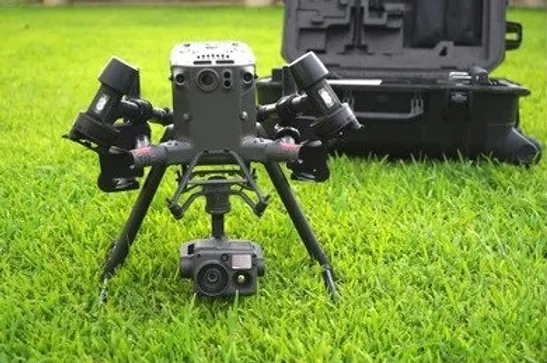
Here are some key areas in which a thermal Payload can help:
1. Infrastructure inspections
A drone with a thermal camera can be a game-changer when it comes to utility or construction inspections. With the use of thermal cameras, you may spot faulty windows, water underneath roof membranes, damaged or missing installation, and a variety of other difficulties. Additionally, thermal drones give users a quick, safe, and easy way to get to difficult-to-reach areas. Thermal camera-equipped drones are a crucial tool for solar panel inspections.
They are capable of detecting manufacturing flaws, cracks, flawed interconnects, and transient shadowing. Additionally, they have the advantage of gathering this data far more quickly than conventional hand-held techniques.
2. Hazardous Zone Inspections
Even with the right clothing and protection, entering some places may be too dangerous because of how harmful they may be for people. Places where the artificial intelligence departments find out to be hazardous such as bomb explosion zones or a hidden mastermind criminal. Such places are not at risk for humans to enter. In the past, such incidents have taken place where armed forces even lost their lives. Since drones can withstand chemicals, changes in temperature, and other potential risks, they are perfect for this kind of examination.
3. Confined Area Inspections
Confined places, such as power plant boilers and fuel storage tanks, are a relatively recent addition to the drone inspection field but are steadily becoming more prevalent. In this case, visual inspections are helpful if setting up a scaffold would be too costly, time-consuming, or dangerous. However, there are significant difficulties when deploying drones in restricted places. These difficulties include poor lighting, colour subtleties, radio signal reflection, and propeller turbulence. Still, drone inspections in such areas are a better option rather than risking human lives.
How Thermal Drone Inspection Works
How to Perform a Thermal Drone Inspection
- Define inspection objectives
Identify what needs to be inspected such as solar panels, towers, or pipelines.
- Select the right drone and payload
Use DJI M300 RTK with H20T or M30T depending on the mission.
- Plan the flight mission
Set waypoints, altitude, and coverage using flight planning software.
- Capture thermal data
Fly the drone and collect thermal and visual data simultaneously.
- Analyze the results
Use thermal imaging software to detect anomalies and hotspots.
- Generate reports
Create actionable inspection reports for maintenance and decision-making.
How Drone Can Be Used In Inspections and Testing? Thermal Camera payload in particular
Nearly every business that relies on visual inspections as part of its maintenance processes now uses drone inspections. Drone inspections assist inspectors in avoiding needing to put themselves in risky situations by employing a drone to collect visual data on the status of an asset.
By removing slower manual stages that put inspectors at risk and accelerating the collection of inspection data, inspection drones are revolutionizing manual inspection operations.
When manually examining a cell tower, for instance, it could be necessary to climb up a tower several stores in the air to get a good look at a guy-wire. In addition, going fifty feet or more in the air on scaffolding may be necessary to manually inspect an industrial boiler.
Inspection drones, however, are changing everything.
Now, a company offering drone inspection services may fly an inspection drone up a cell tower or all around a boiler, gathering all the visual data an inspector needs to finish their examination.
Summing Up
Drones are without a doubt altering how inspections are carried out on a variety of terrains. This has significantly altered the way this sector operates and made it possible for numerous commercial endeavors and initiatives to have top-notch inspection outcomes at reasonable prices.
Any examination involving the use of drones that requires access to hazardous terrain or high altitudes can be rather risky to deal with. The nice thing about drone technology is that it actually makes the inspection and testing process easier and, as a result, makes it a very viable option.
When it comes to the applications for this kind of technology, the options are almost limitless. Though we’ll just have to wait and see what the future holds for drone inspection, so far, things are looking up for the technology.
Frequently Asked Questions Thermal Drone Inspection
Thermal drone inspection uses drones equipped with thermal cameras to detect heat variations in assets, helping identify faults and inefficiencies.
Industries such as energy, construction, oil & gas, and public safety rely on thermal drones for monitoring and inspections.
These drones offer advanced thermal sensors, high accuracy, and reliable performance in complex environments.
Yes, they reduce the need for manual inspections in hazardous areas, improving overall safety.
Need professional drone inspection solutions for your assets?
Contact NineTenths today to learn how drone‑based inspections can help you capture precise aerial imagery, identify structural issues early, and improve safety across infrastructure, construction, and industrial facilities