
COUNTER-UAS
Anti-Drone & Counter-UAS Solutions in Saudi Arabia
Strengthen airspace security with anti-drone solutions tailored to your site, operational priorities, and security requirements. NineTenths helps organizations in Saudi Arabia evaluate drone detection, tracking, identification, and authorized mitigation capabilities for sensitive facilities and critical infrastructure.
01
DETECT
02
TRACK
03
IDENTIFY
04
RESPOND
Airspace Awareness Starts with Reliable Drone Detection
Unauthorized drones can introduce security, safety, and operational risks to industrial facilities, public spaces, and restricted locations. Detecting relevant activity early helps security teams assess potential threats and coordinate an appropriate response.
An effective counter-drone approach connects detection technology with clear operational procedures, helping organizations address:
Unauthorized drone activity near sensitive or restricted areas
Limited visibility across large facilities and complex environments
The need to distinguish authorized flights from potential threats
Coordination between security teams, site operators, and response personnel
What Is an Anti-Drone System?
An anti-drone system, also known as a counter-drone system or Counter-Unmanned Aircraft System (Counter-UAS), combines technologies used to detect, track, and assess unmanned aircraft activity.
Depending on the selected configuration, a solution may combine radar, radio-frequency detection, electro-optical cameras, thermal imaging, or other sensors. Mitigation capabilities may also form part of the solution where the operating organization holds the required authorization.
The right configuration depends on the site’s environment, threat profile, coverage priorities, and integration requirements.
From Detection to Coordinated Response
01
DETECT
Monitor for potential drone activity using detection technologies suited to the operating environment. Sensor selection considers site conditions, surrounding activity, and coverage objectives.
02
TRACK
Follow detected activity to help teams understand its location, direction, and movement. Tracking capabilities support situational awareness as an event develops.
03
IDENTIFY
Assess available sensor data to help distinguish potential threats from authorized or non-threatening activity. Identification capabilities vary according to the system and available information.
04
RESPOND
Support informed decisions through alerts, established procedures, and authorized response options. Active mitigation is considered according to applicable requirements and the authority of the operating organization.
Anti-Drone Detection, Tracking & Response Capabilities
01
Drone Detection and Early Warning
Support awareness of potential drone activity with detection systems configured around your site. Available technologies can be assessed individually or as part of a combined sensor approach.
02
Tracking and Airspace Monitoring
Help security personnel monitor detected activity and understand its movement in relation to protected areas, operational zones, and sensitive assets.
03
Visual Verification and Threat Assessment
Where supported, optical and thermal sensors can help operators examine detected objects and assess the situation using available visual information.
04
Multi-Sensor Integration
Combine complementary detection technologies to support a broader operating picture. Integration options depend on the selected equipment, software, and project requirements.
05
Alerts and Security Workflows
Bring relevant alerts and event information into security operations, helping teams follow established escalation and response procedures.
06
Authorized Drone Mitigation Options
Evaluate compatible mitigation capabilities where permitted. The appropriate approach depends on the operational setting, potential effects on surrounding systems, and required approvals.
Drone Detection Technologies
Anti-Drone Solutions for Critical Infrastructure and Sensitive Sites

Energy and Utilities
Support airspace awareness around power generation facilities, substations, utility assets, and other operationally sensitive locations.

Oil, Gas and Industrial Facilities
Evaluate counter-drone capabilities for processing plants, storage facilities, industrial complexes, and associated infrastructure.

Airports and Transport Infrastructure
Assess drone detection and monitoring requirements around transport environments, with particular attention to coordination, operational safety, and applicable restrictions.

Ports and Logistics Facilities
Support monitoring around terminals, cargo handling areas, warehouses, and other sensitive logistics operations.
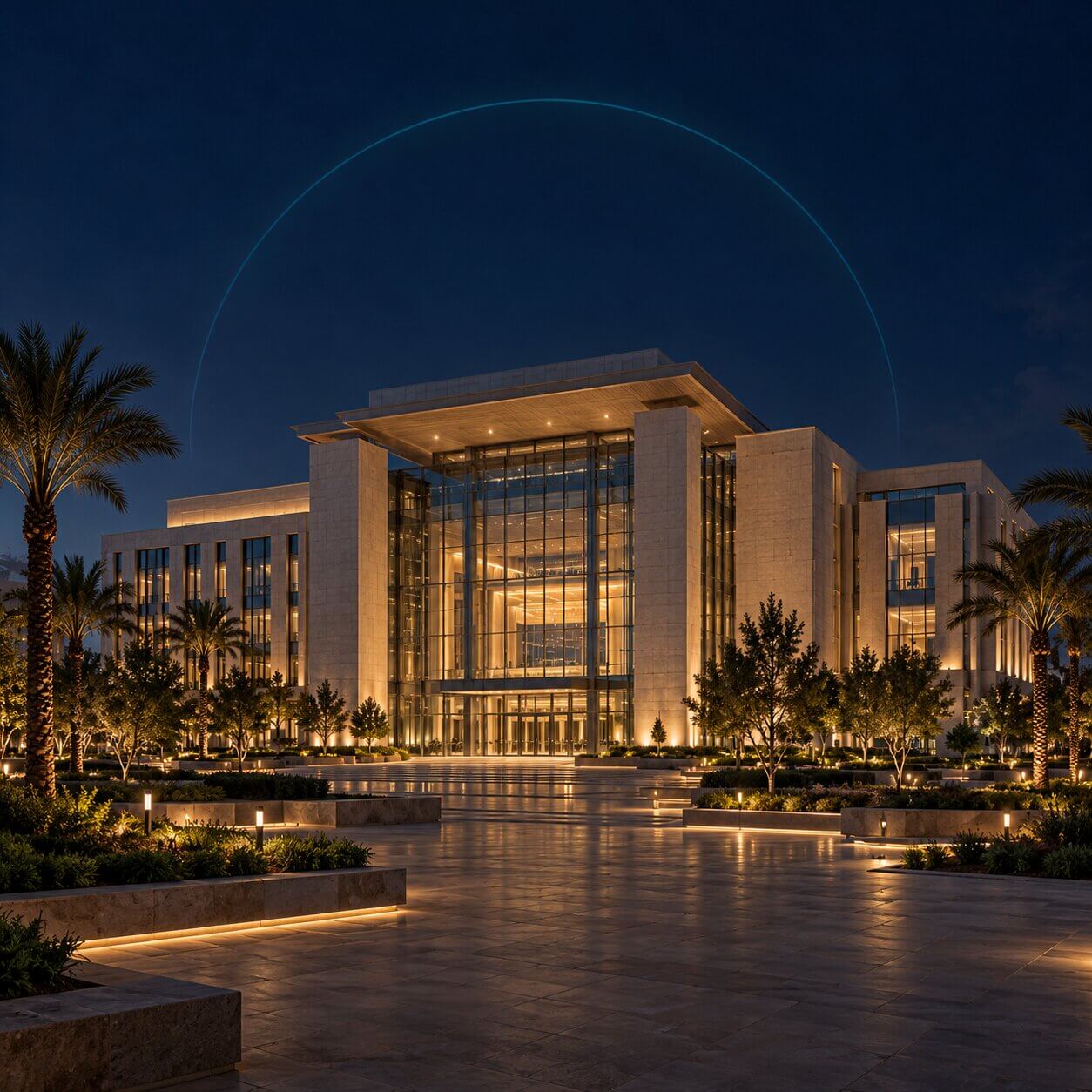
Government and Restricted Facilities
Address airspace monitoring requirements for controlled-access sites and facilities with defined security procedures.
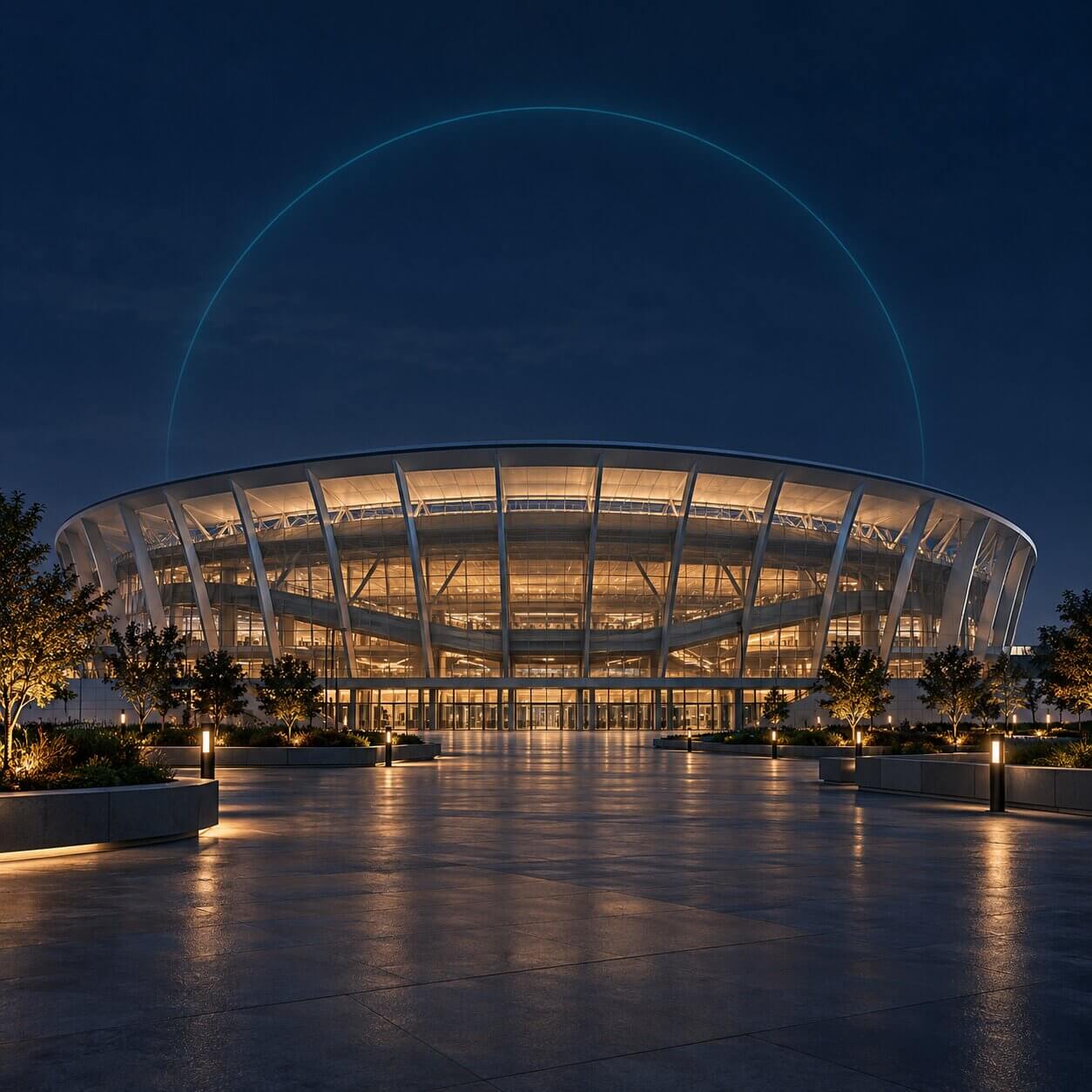
Major Events and Large Venues
Evaluate anti-drone capabilities for temporary or permanent deployments, considering crowd safety, surrounding activity, and response coordination.
Deployment Options Around Your Requirements
01
Fixed-Site Protection
Assess permanent installations for facilities requiring ongoing airspace monitoring. Planning considers sensor placement, coverage priorities, power, connectivity, and operational workflows.
02
Temporary Deployments
Evaluate configurations for events, temporary operations, and short-term security requirements, subject to site suitability and system availability.
03
Mobile Applications
Discuss mobile counter-drone requirements for operations that need flexible positioning. Suitability depends on the selected platform, operating conditions, and deployment constraints.
Our Approach
01
Define Your Requirements
We discuss your site, protected assets, operational concerns, and security objectives to establish the scope of the requirement.
02
Assess the Environment
We review coverage priorities, surrounding activity, physical constraints, infrastructure, and potential integration needs.
03
Evaluate Suitable Capabilities
We help assess drone detection, tracking, identification, and authorized response options against the agreed requirements.
04
Plan Deployment and Support
We coordinate implementation planning, operator readiness, and support requirements according to the selected solution and project scope.
Why NineTenths?
Local Operational Understanding
A Saudi-based technology provider supporting organizations with industrial and security technology requirements.
A Requirements-Led Approach
Solution evaluation starts with your operating environment, security priorities, and intended use.
Integrated Technology Planning
We consider how selected counter-drone capabilities can fit into existing infrastructure and security workflows.
Practical Deployment Support
Planning addresses site readiness, implementation requirements, and ongoing support within the agreed scope.
Responsible Anti-Drone Deployment
Counter-UAS deployment requires careful consideration of the operating environment and applicable aviation, telecommunications, spectrum, security, and privacy requirements.
Detection and mitigation functions can have different authorization requirements. Any active mitigation capability must be assessed and used only by appropriately authorized organizations under applicable rules.
Anti-Drone Systems in Saudi Arabia: Frequently Asked Questions
These terms generally describe technologies and approaches used to detect and address unauthorized drone activity. Counter-UAS is the technical term, while anti-drone and counter-drone are common commercial terms.
Depending on the solution, detection may use radar, radio-frequency sensing, optical cameras, thermal imaging, acoustic sensing, or a combination of technologies. Each method has different capabilities and operating limitations.
Discuss Your Anti-Drone Requirements
Looking for anti-drone solutions in Saudi Arabia? Share your site details, security priorities, and operational requirements with NineTenths to discuss suitable drone detection and Counter-UAS capabilities.