Estimated reading time: 4 minutes
Drones, also known as unmanned aerial vehicles (UAVs), are ubiquitous and appear to be here to stay. However, as drones became more accessible to the public, many pilots have expressed concerns about flying alongside unmanned aircraft. Some pilots, on the other hand, welcome drones into the aviation community, seeing them as an effective way to pique new interest in aviation and increase the population of young pilots.
Table of contents
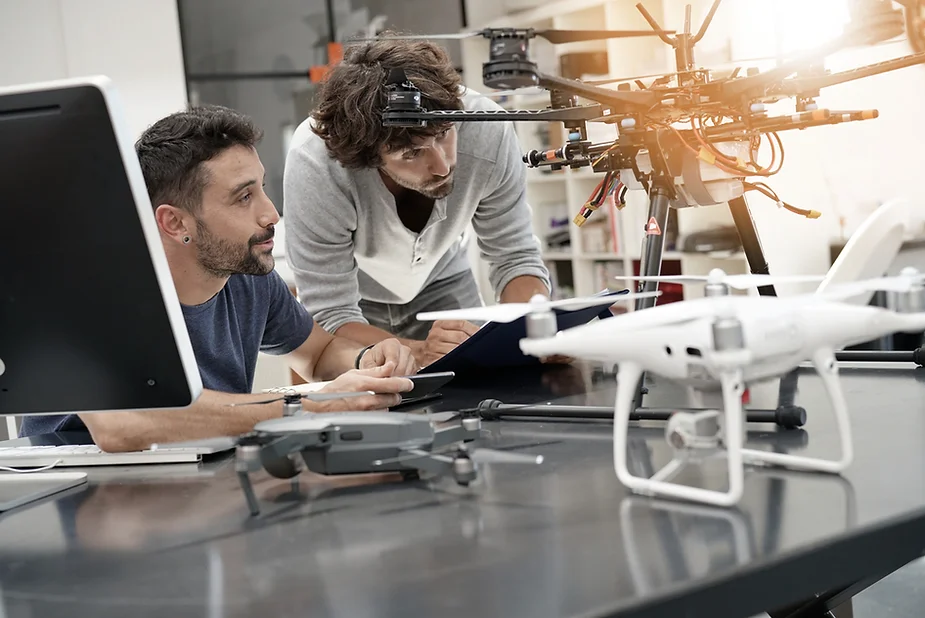
This has been recognized by experienced pilots, and drone training classes have begun to spring up across the country. The obvious reason for taking these classes is to learn the fundamentals of flight. There are numerous reasons to consider a drone training program:
Learn How To Get The Most Out Of Your Drone
How To Get The Most Out Of Your Drone
- Understand all features
Read your drone manual and get familiar with features like Return to Home and camera controls.
- Set the correct home point
Assign an accurate takeoff location before flying to avoid issues during auto-return.
- Practice in safe environments
Train in open areas away from crowds and buildings to prevent accidents.
- Adjust settings on the fly
Learn how to change settings during flight based on conditions (altitude, location, wind).
- Master photography basics
If using the drone for photography, understand camera modes and how to capture professional shots.
- Follow airspace rules
Be aware of allowed and restricted flight zones to ensure safe operation
You, Will, Become An Expert In Flying Drone And In Photography
The vast majority of people who buy drones do so to take amazing photos. DJI understands this and, with the update of the Phantom 3, developed a drone that is more concerned with capturing incredible footage than with flying.
A good drone training course will teach you how to fly first and then how to think like a photographer. After finishing your drone training program, you will be able to take very good photographs.
Documenting
It may not be common practice yet, but commercial drone operation will almost certainly require some kind of certification, insurance, or both in the future. There will be some kind of exam needed to prove you know what you’re doing in order to obtain certification/insurance.
A training course is a great way to learn what you need to know, and any category that wants to attract clients will have certified/insured operators who can tell you exactly what you need to know.
Security
Training helps you to learn inspection techniques before starting to launch your drone. Your ability to safely fly your drone should take precedence over all other flight skills. If this is your first time flying a drone or doing anything aviation-related, you are likely unfamiliar with many of the safety standards that aviation professionals have learned and practiced over the years.
These safety precautions are second nature to experienced drone pilots. A formal drone training course designed by an experienced instructor will teach you these best practices.
Restriction On Airspace
Knowing which regions are regarded as controlled airspace or restricted airspace is one of the most crucial components of airspace safety. Drone flight in controlled and restricted airspace, as the names suggest, is subject to varying levels of restrictions. This is due to high levels of air traffic in these areas, as well as unusual airspace activities such as military training or artillery tests. Airspace restrictions are imposed in some cases for reasons of national security or safety.
Summing Up
Paying for training may appear to be an excessive measure for drone pilots who are only interested in flying a drone for fun. However, it cannot be denied that for years, drones have been the subject of safety and privacy concerns. With near-miss encounters of drones flying close to commercial airliners or crowds being reported almost daily, the public’s concerns appear well-founded.
If you intend to fly a drone on a regular basis, it appears that some training is in order. You do not need to take a fancy on-hand drone training program. A safety and airspace regulations training course should be important.
Frequently Asked Questions About Drone Training
It ensures safe flight, proper handling, and understanding of airspace rules
No, commercial operations will require certification or insurance
Practical flying skills, photography techniques, and safety protocols
Training teaches which areas are restricted or controlled for safe operation
Interested in professional drone training for your team?
Contact NineTenths today to learn how our hands-on drone training programs can equip your team with the skills needed for safe operations, mission planning, and data acquisition across various industries: