Estimated reading time: 5 minutes
Drones are transforming environmental conservation by enabling efficient wildlife monitoring, forest protection, and ecosystem restoration. These advanced technologies provide accurate data, reduce human impact, and improve sustainability efforts worldwide.
In recent years, drones have emerged as powerful tools in the fight to protect our environment. These unmanned aerial vehicles (UAVs) offer unique capabilities that are transforming conservation efforts worldwide. From monitoring wildlife to combating deforestation, drones are proving to be indispensable allies in preserving our planet’s natural heritage. Here are some of the most innovative uses of drones in environmental conservation:
Table of contents
Key Drone Applications in Environmental Conservation
Wildlife Monitoring and Protection
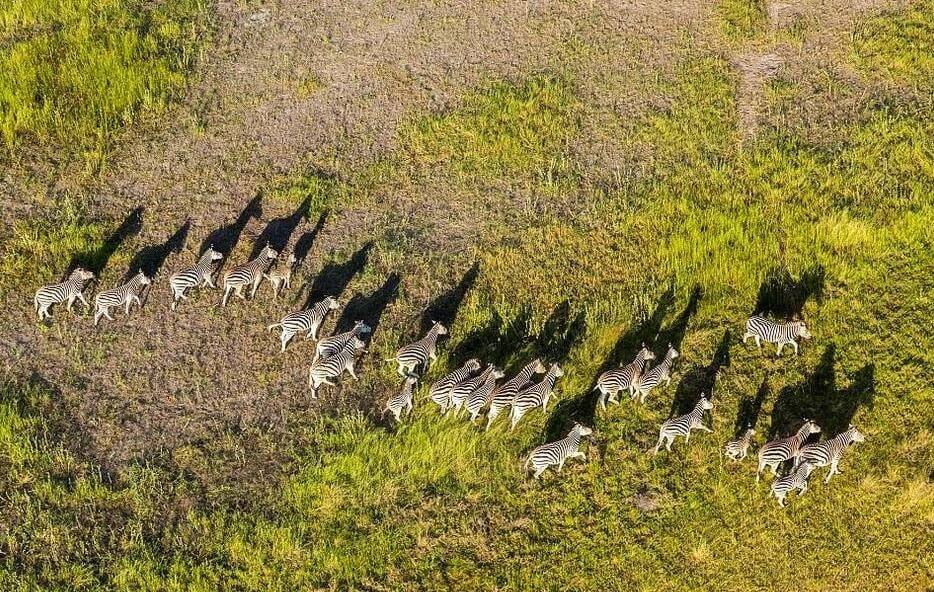
Drones equipped with high-resolution cameras and thermal imaging sensors are revolutionizing wildlife monitoring. They can track animal movements, monitor population sizes, and even detect poachers in real-time. For instance, drones have been used to monitor endangered species like rhinos and elephants in Africa, providing crucial data to conservationists and helping to prevent illegal hunting.
Combating Illegal Logging

Illegal logging is a significant threat to forests around the world, particularly in the Amazon rainforest. Drones can cover vast areas quickly and capture detailed images of forested regions, identifying illegal logging activities that might go unnoticed by ground patrols. This technology enables rapid response and more effective enforcement of conservation laws.
Marine Conservation

Drones are also making waves in marine conservation. They can monitor coral reefs, track marine wildlife, and even assist in cleaning up oceanic pollution. For example, drones have been used to map and monitor the health of coral reefs, providing data that helps scientists understand the impacts of climate change and human activities on these vital ecosystems.
Forest Fire Management

Forest fires are becoming increasingly common and devastating due to climate change. Drones equipped with thermal cameras can detect hotspots and monitor fire progression in real-time, providing critical information to firefighting teams. This allows for more efficient allocation of resources and quicker response times, ultimately reducing the damage caused by wildfires.
Precision Agriculture

In the realm of sustainable farming, drones are being used to optimize resource use and improve crop health. They can monitor soil conditions, assess crop health, and even apply fertilizers and pesticides with pinpoint accuracy. This not only boosts agricultural productivity but also minimizes environmental impact by reducing the use of chemicals.
Mapping and Monitoring Glacial Retreat
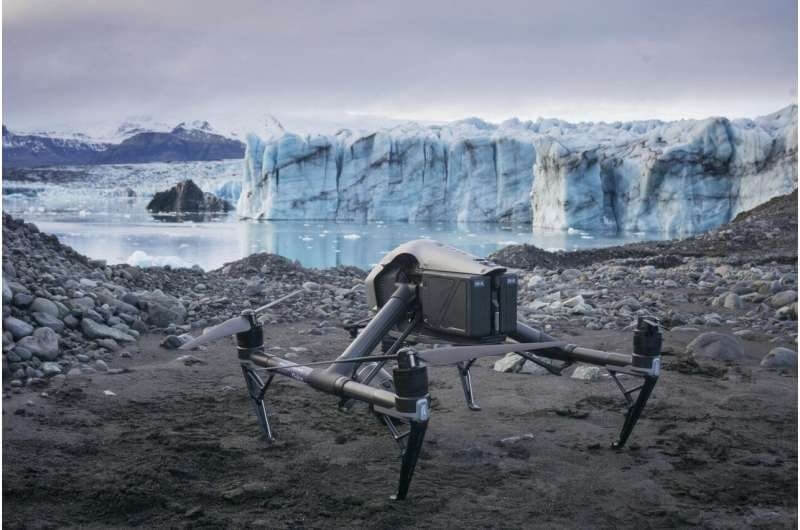
Climate change is causing glaciers to retreat at alarming rates. Drones equipped with LiDAR technology can create detailed 3D maps of glaciers, allowing scientists to monitor changes over time. This data is crucial for understanding the impacts of climate change and developing strategies to mitigate its effects.
Habitat Restoration
Drones are also being used in habitat restoration projects. They can plant trees in deforested areas, monitor the growth of newly planted vegetation, and assess the health of restored habitats. This technology is speeding up reforestation efforts and ensuring that restoration projects are successful.
How to Use Drones in Environmental Conservation
How to Use Drones in Environmental Conservation
- Step 1: Define Conservation Objectives
Identify whether the goal is wildlife monitoring, forest protection, or habitat restoration.
- Step 2: Select the Right Drone Technology
Choose drones equipped with cameras, thermal sensors, or LiDAR based on project needs.
- Step 3: Plan Flight Operations
Design flight paths to cover large areas efficiently while minimizing environmental disturbance.
- Step 4: Collect and Analyze Data
Capture aerial data and use software tools to analyze environmental conditions and changes.
- Step 5: Implement Conservation Actions
Use insights gained to support decision-making and improve conservation strategies.
Summing Up:
Drones are revolutionizing environmental conservation by offering efficient, accurate, and sustainable solutions. From protecting wildlife to restoring ecosystems, their impact continues to grow as technology advances. As innovation progresses, drones will play an even greater role in safeguarding the planet for future generations.
Frequently Asked Questions About Drone Use in Environmental Conservation
Drones are used for wildlife monitoring, mapping ecosystems, detecting illegal activities, and supporting restoration projects.
They provide real-time data, cover large areas quickly, and reduce human impact on sensitive environments.
Yes, drones detect hotspots early and monitor fire spread, improving response time.
High-resolution cameras, thermal imaging, and LiDAR sensors are commonly used.
Yes, drones reduce the need for heavy machinery and minimize environmental disturbance.
Looking to leverage drones for environmental monitoring and conservation?
Contact NineTenths to discover how drone technology can help monitor ecosystems, detect environmental changes, and support smarter conservation efforts.